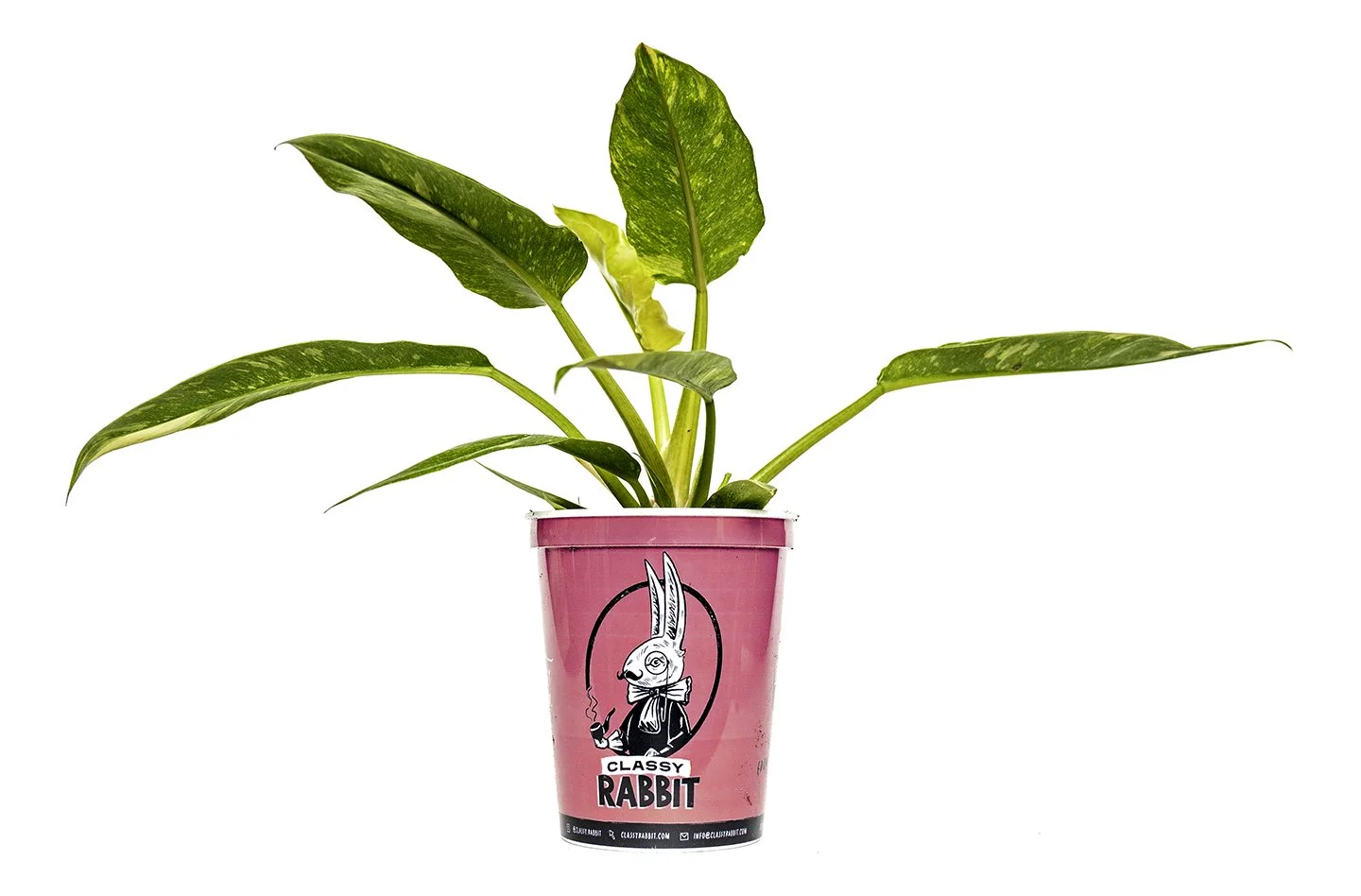
Rabbit Manure 101
A Soil Primer for People Who Are Tired of Dead Dirt
Let's clear something up.
We are not a fertilizer company.
If you're here looking for neon numbers and promises of explosive growth, you took a wrong turn. We care about soil. Because soil is the system. And systems are smarter than spikes.
It's Different Because Rabbits Are Different
Rabbit manure isn't special because rabbits are adorable. It's different because rabbits are built differently.
Rabbits are strict herbivores. They ferment plant fiber in a large cecum. Microbes break down cellulose. Then—and this is the weird part—rabbits re-digest specialized pellets to extract even more from the vegetation before anything is finally excreted.
So what you end up with is fermented plant fiber that has already been microbially processed.
Not grain-heavy waste. Not high-protein runoff. Not industrial feed residue.
Digested vegetation. That biology matters.
"Soil is the system. And systems are smarter than spikes."
Soil Is Not a Math Problem
Big Ag wants you to believe soil health is three numbers: N-P-K.
Three numbers on a shiny bag. Simple. Measurable. Marketable. Also, incomplete.
NPK measures soluble nutrients at one moment in time. It does not measure carbon. It does not measure microbial diversity. It does not measure structure. It does not measure whether your potting mix collapses into lifeless sludge after a year.
Container soil is confined. There's nowhere for imbalance to disappear.
That's why we don't chase numbers. We build biology.
What Rabbit Manure Actually Does
When properly managed, rabbit manure functions as:
- Organic matter — the foundation of soil structure
- A microbial substrate — food for the soil food web
- A structural input — prevents collapse and compaction
- A contributor to mineral cycling — slow-release, biology-driven
Most nitrogen in manure is organic. Microbes govern its transformation. The soil food web stays in charge.
That's the point. We're not bypassing the soil system. We're reinforcing it.
Salt Is the Sneaky Villain
In containers, salt accumulation is real. There's no pasture-scale dilution. No endless field to absorb mistakes.
Some agricultural systems rely on high-solubility inputs that move fast and hit hard. That approach contributes to runoff, nutrient leaching, and long-term soil degradation at scale.
We're not interested in that model.
Rabbit manure has a comparatively lower salt profile than high-nitrogen inputs. Its nutrients are largely bound in organic form. It behaves more slowly. More biologically.
Not dramatic. Stable. We like stable.
"But Isn't Manure Gross?"
Raw manure in a plastic bag? Yes. But that's not what we do.
Ours is:
- Dried
- Milled into a fine powder
- Integrated into vegetative compost
- Evenly distributed into the final potting mix
You will not find pellets. You will not smell a barn. You will find soil.
Renewable (Because Biology Is Smarter Than Factories)
Rabbit manure exists inside a biological loop. Rabbits eat plants. Organic matter returns to soil. The cycle continues.
Contrast that with industrial nitrogen manufacturing—energy-intensive, centralized, dependent on fossil fuel inputs.
One model builds cycles. The other builds dependency.
"You can force-feed a plant. Or you can build soil. We chose soil."
Why We Say "Dump Big Ag."
Big Ag made a promise:
Chemistry is faster. Synthetic is smarter. Soil biology is optional.
Farmers were told soluble inputs could replace organic matter. That yields could be engineered. That intervention was progress. And progress is profit.
And now soil systems across the country depend on constant correction. When fertility comes primarily from synthetic intervention, soil stops functioning as a living ecosystem. It becomes a science experiment.
And that original promise made to farmers? It made its way into your potting mix. Into your house. Onto your shelf. Into the soil sitting six feet from where you eat.
We say "Dump Big Ag" because we reject the shortcut. We reject the spike. We reject dependency.
Soil isn't outdated. It's just been overridden. So we're putting biology back in charge.
The Bottom Line
Rabbit manure—properly managed—is not a nutrient spike.
It's infrastructure. It supports structure. It supports microbial activity. It contributes organic matter. It participates in mineral cycling.
In a pot, that matters more than flashy numbers.
You can force-feed a plant. Or you can build soil. We chose soil.
And all this culminates in a much smarter product, one where what's in the bag is enough. No more upsale. No more choice fatigue. No more chores. No more "buy this and that" to fix this and that.
Our Products
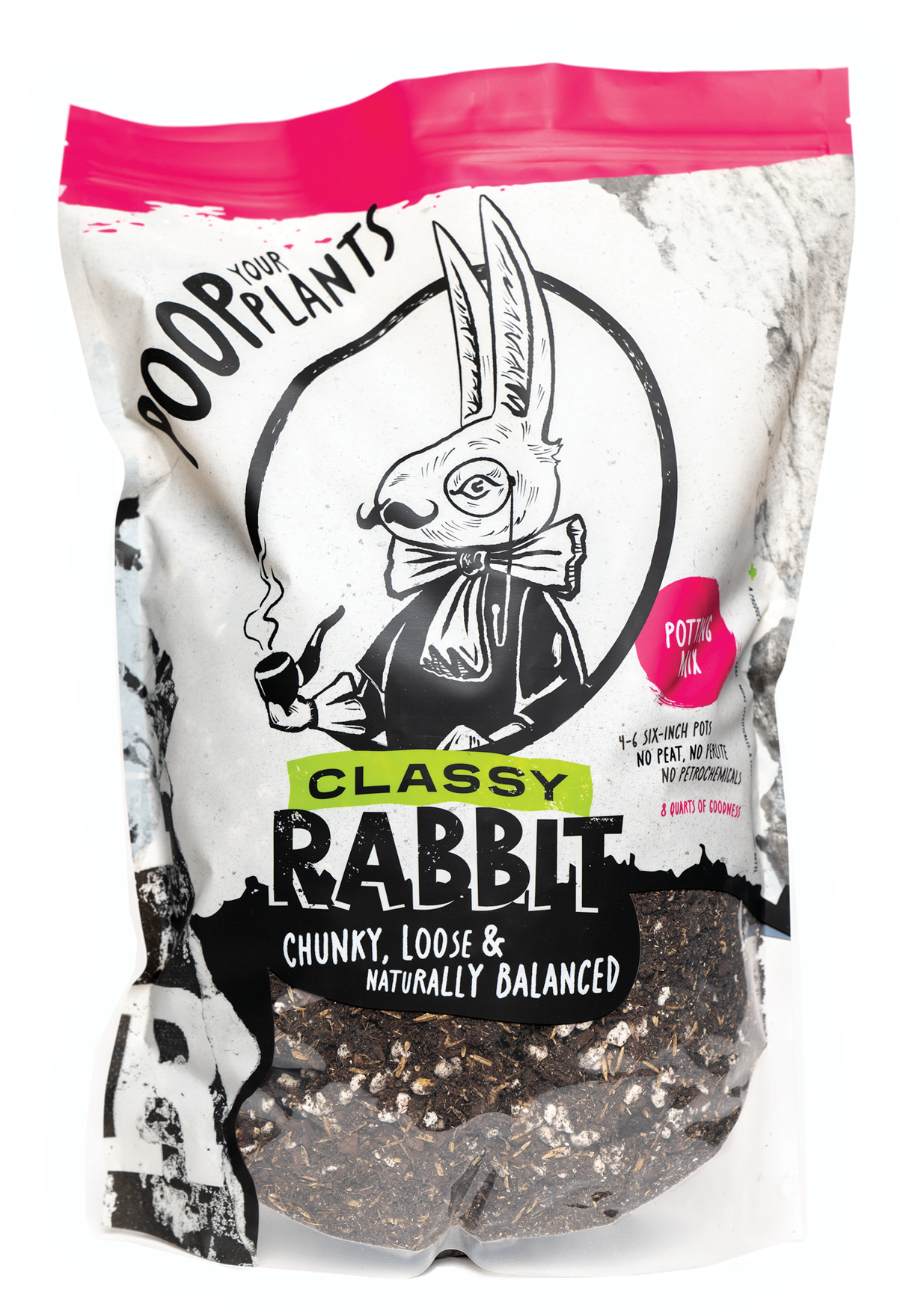
Potting Mix — $19.99
Lab-tested at Texas A&M. Rabbit manure-based. Built for biology.
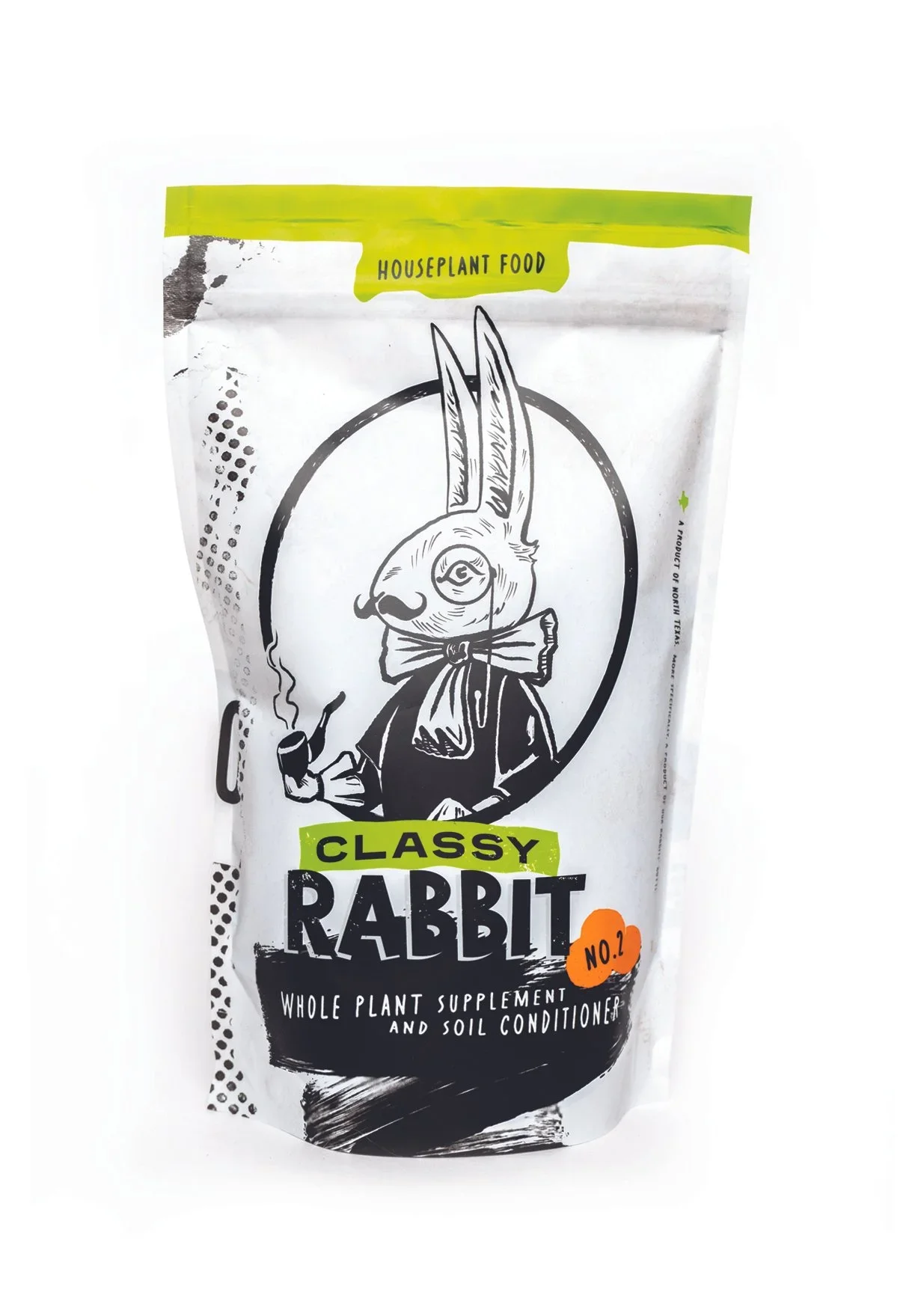
Soil Conditioner — $14.99
Rehabilitate tired soil. No shortcuts.
Fix the soil. The rest sorts itself out.
References
- Merck Veterinary Manual — Biology of Rabbits
- USDA NRCS Soil Biology Primer
- Penn State Extension — Using Animal Manures
- Brady & Weil, The Nature and Properties of Soils (organic nitrogen mineralization)